your business is your content: humanity is the new marketing!
In a local market like La Crosse, your photos are often the first impression a customer gets of your business. A quick video, a snippet, a slice-of-life!
Strong, consistent visuals communicate trust, professionalism, and brand personality in a fraction of a second. For small businesses, that can mean the difference between a website visit turning into a lead—or a bounce. So often, we view our own photos and content as unimportant or not worth the cost, but then we look at other businesses and people and make snap-decisions based on their content: Are they smiling? Do they seem friendly? Confident? Approachable? Etc.
I, Ben Tierney-Morrison, not a robot, not AI, but a real person, always want to see the humanity in other businesses. I want to know that I am interacting with a real person, who actually cares! Humanity! The New Marketing!
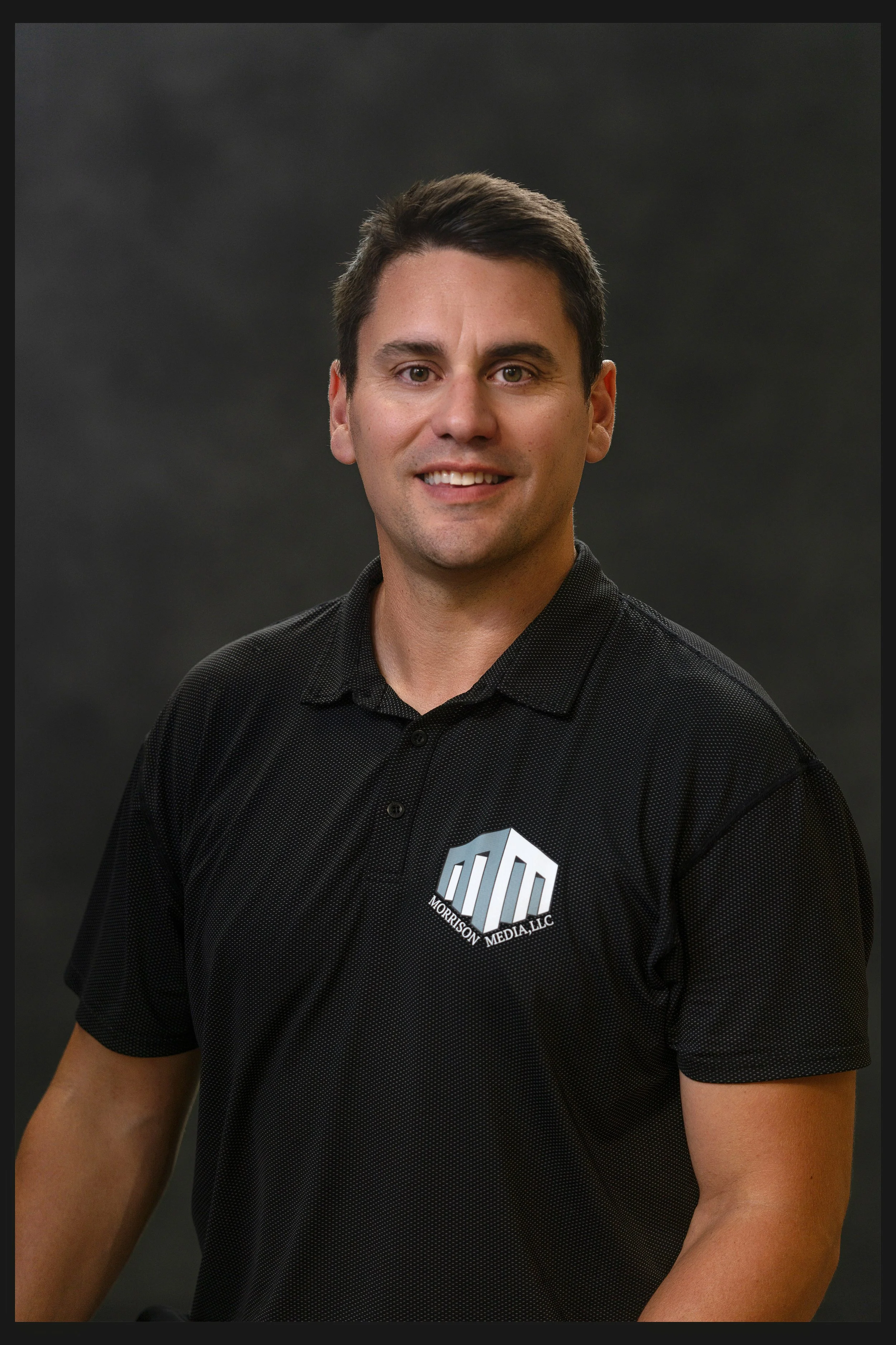
My name is Ben and I am a real person! And I really do like this picture of me - that I took!
Types of Photography you and your business need
Small businesses rarely need just “photos”; they need specific visual assets that support marketing and sales goals.
Brand photography
Owner and team portraits that feel approachable
Behind-the-scenes images showing your process and culture
Images that visually express your brand voice (fun, premium, minimalist, etc.)
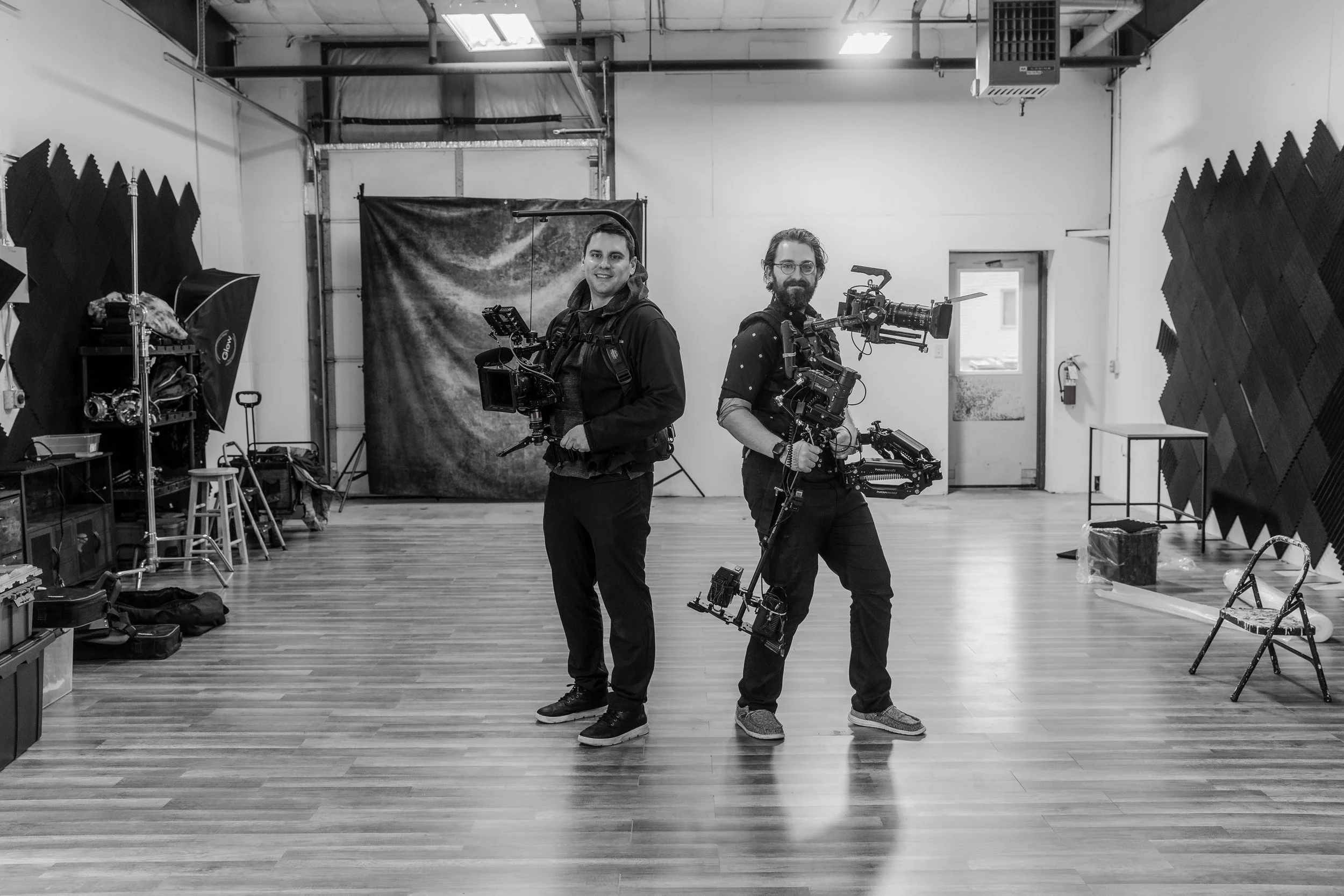
Jake and Ben, at it again!
Website and landing page photography
Hero images for home, services, and about pages
Section images that match each service or offer
Visuals designed around where headlines, buttons, and forms will sit
Product or service photography
Clean, consistent images for ecommerce, menus, or service catalogs
Before/after visuals for service-based businesses
Context shots showing your product or service in real use

Keepin’ it cool while keeping it covered!
Social media and content photography
Vertical-friendly imagery for Reels, Stories, and TikTok
Evergreen assets for ongoing posts and ad creative
Visual hooks that stop scroll in crowded feeds
Event and promotional photography
Coverage of launches, pop-ups, or community events
Photo recaps you can repurpose in newsletters and case studies
PR-ready images for local media and sponsorships
How Professional Photography Drives ROI
Professional photography is a revenue tool, not just an expense. Agencies and educators like those you’ve mentioned often emphasize measuring creative work through performance, not just aesthetics.
Higher website conversions
Well-lit, on-brand photography keeps visitors on the page longer and makes calls-to-action more compelling, increasing form fills, bookings, or purchases.
Stronger brand consistency
Using one unified visual library across your site, social media, and ads builds recognition over time and reduces confusion for new customers.Better ad and social performance
Custom photography almost always outperforms generic stock in paid campaigns, because it looks real, specific, and relevant to your audience.Shorter sales cycles
When prospects can clearly see what you offer, how it looks, and who they’ll work with, they need fewer emails and calls before saying yes.
The Morrison Media Approach for your Businesses
A studio like Morrison Media, LLC can position its photography services as an integrated growth system rather than a one-off photoshoot.
Strategy-first planning
Start with a brief: Who is your audience? What actions do you want them to take?
Map visual needs to specific marketing assets (homepage hero, service page banners, ads, social series).
Shot list built around marketing goals
Design a shot list that covers web, social, and print needs in one session.
Plan variations (horizontal/vertical, wide/close, posed/candid) to maximize repurposing.
Brand-aware styling and direction
Align colors, wardrobe, and locations with your existing branding.
Direct owners and staff so they look confident and natural, not stiff.
Output ready for every channel
Deliver web-optimized images for fast loading on your site.
Provide crops for social platforms and ad placements to reduce DIY editing.
Organize files with names and folders that make content easy to reuse.
How to Prepare for a Business Photo Shoot
Preparation is where small businesses often lose time and quality. A simple pre-production checklist makes the session smoother and the results stronger.
Clarify your goals
Choose one or two primary outcomes: new website, refreshed Google listing, better social presence, etc.
Decide where the most important images will live (homepage hero, feature in a local article, etc.).
Align your brand look
Confirm brand colors, fonts, and style (modern, rustic, luxury, playful).
Choose outfits and props that match your brand, not random clothes on photo day.
Prep your location
Declutter visible spaces, hide cables and boxes, and clean surfaces.
Check natural light times and have backup indoor lighting options.
Plan people and roles
Decide who must be photographed (owner, team, clients, products).
Block calendars so key people aren’t rushing in and out.
Gather supporting materials
Have products, tools, packaging, signage, or laptops ready.
Prepare any must-have shots (before/after board, whiteboard, awards, etc.).
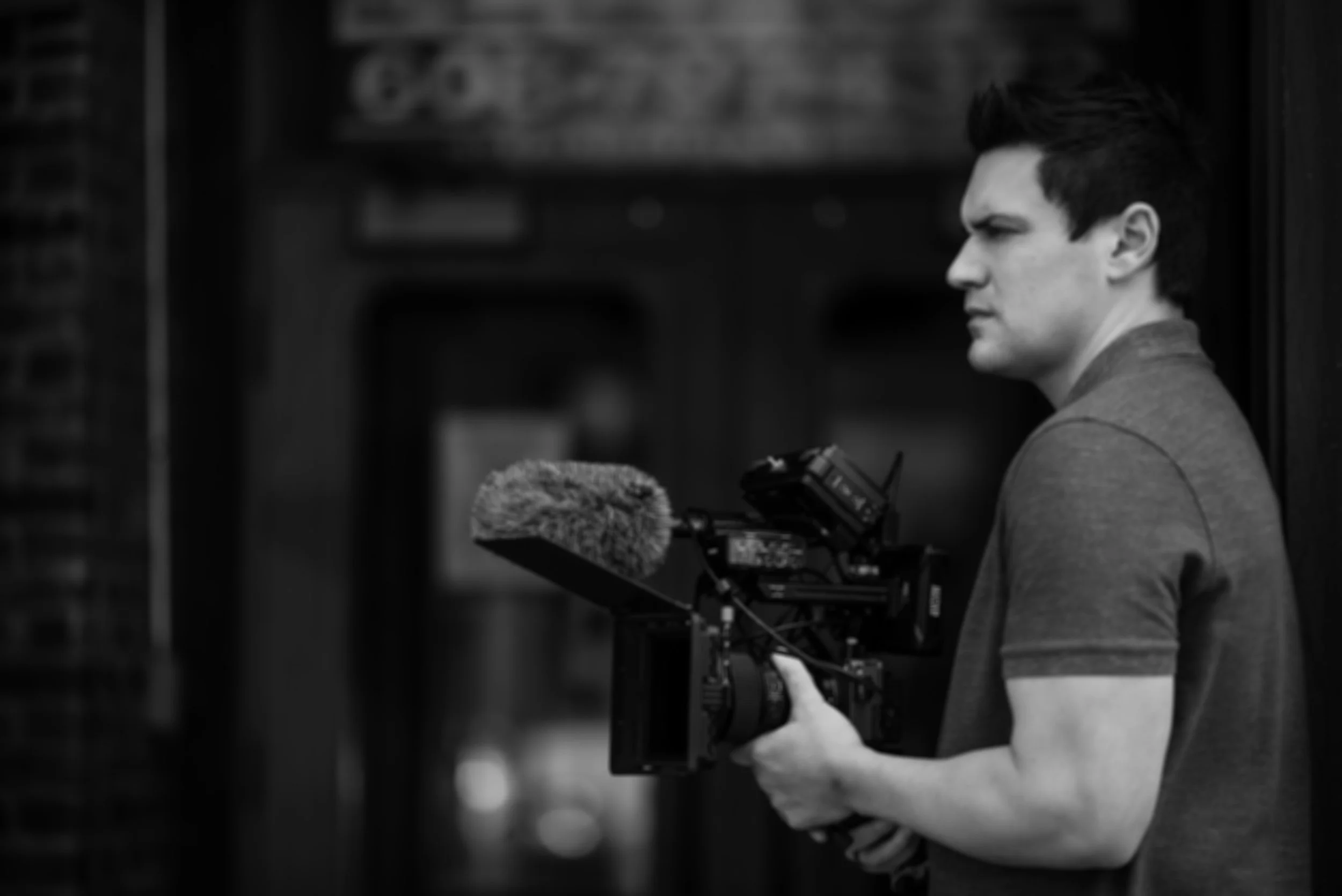
Classic This Guy
Building an Evergreen Photo Library
Instead of random one-off shoots, small businesses should build a reusable visual library that supports growth for 6–12 months.
Theme-based sessions
Plan quarterly sessions: brand update, seasonal promotions, new product launch, or hiring campaigns.
Capture repeatable angles and scenes so new images feel consistent with old ones.
Content buckets
People: owner, team, and customers.
Place: interior, exterior, neighborhood context.
Process: how things are made, served, or delivered.
Proof: results, testimonials, and before/after.
Standardized look and feel
Keep lighting, color tones, and editing consistent shoot to shoot.
Use similar compositions for specific uses (e.g., wide hero shots with space for text).
Repurposing strategy
From one shoot, plan assets for your website, blog posts, social media, email campaigns, and ads.
Reuse the same images across multiple channels to reinforce recognition.
SEO and Local Visibility Benefits
Even without live tools, best practices from modern SEO still apply strongly to photography for small businesses.
Optimized image files
Use descriptive file names tied to your brand and location (e.g., “la-crosse-wi-bakery-owner-portrait.jpg”).
Compress images for fast load times, which helps performance and user experience.
Alt text and context
Write alt text that describes both the image and its purpose on the page.
Pair images with relevant copy that includes your services and location in natural language.
Google Business Profile impact
Upload new photos frequently to your profile to signal freshness and activity.
Use real images of your team, space, and products rather than generic stock.
Content synergy
Use photography to support blog posts, service pages, and case studies.
Feature visual proof of your work to strengthen testimonials and reviews.
Now that you are all set, reach out to morrison media, llc to get started!
Yes, even though all this amazing information was bestowed upon you, it was all just a shameless promotion to catch you in my grasp! BWAHAHAHA! But for realsies - thanks for reading and please reach out if you need my help :) A real person - Ben Tierney-Morrison with Morrison Media, LLC (www.morrisonmediallc.com) Thanks!
